How to Start an Export Import Business: A Complete Guide for Global Trade
Starting an export import business can open the door to customers, suppliers and markets across the world. However, international trade requires more than simply finding a product and selling it to another country.
You need to understand product selection, market research, international buyers, suppliers, export documentation, payment terms, logistics, customs procedures and international shipping.
This complete guide explains how to start an export import business step by step and build a sustainable international trading business.
What Is an Export Import Business?
An export business involves selling products or services from one country to customers in another country. An import business involves purchasing products or services from international suppliers and bringing them into your target market.
Businesses can operate as exporters, importers, distributors, traders, manufacturers, sourcing companies or international trading companies.
Step 1: Choose the Right Product
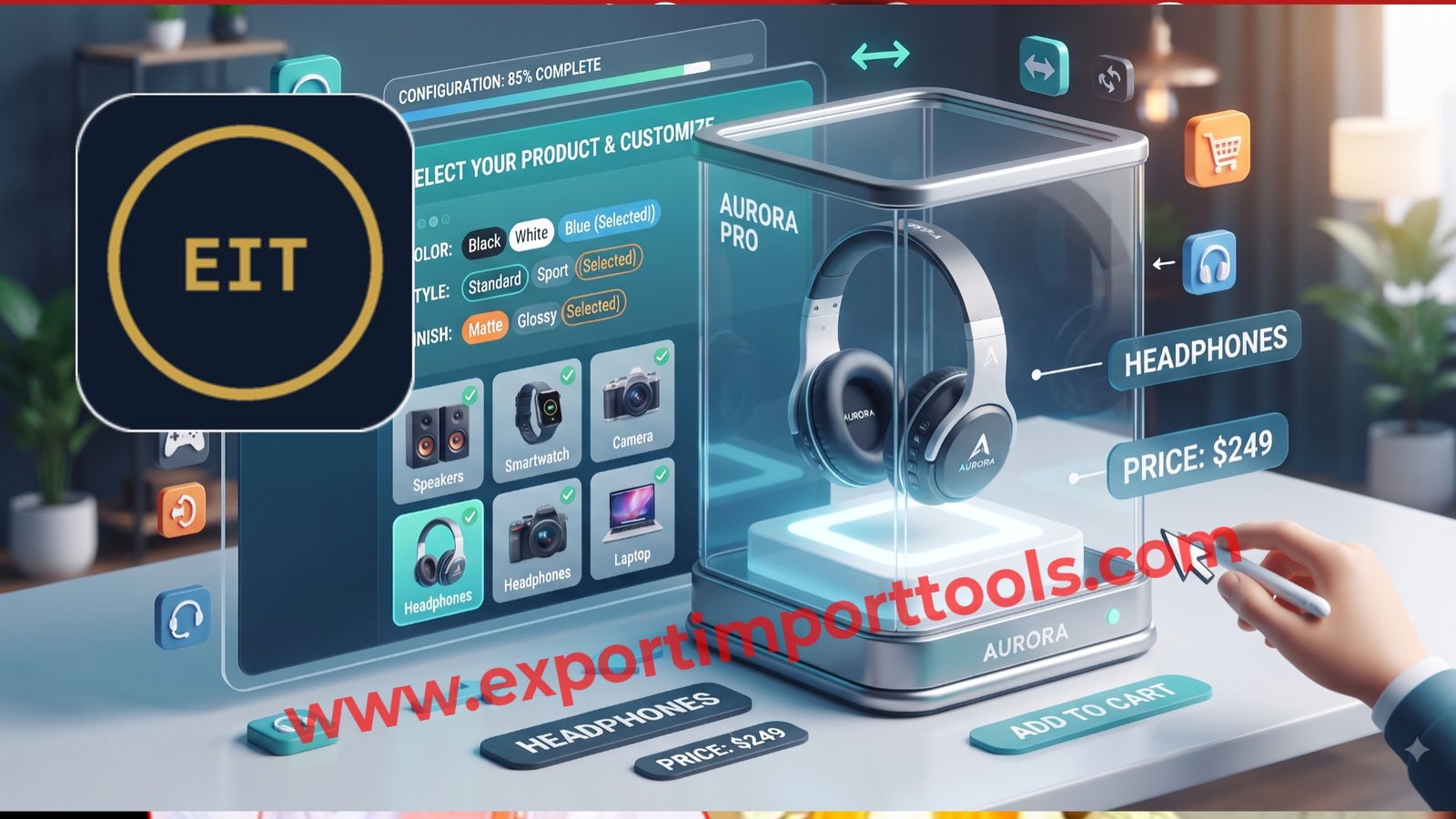
Product selection is one of the most important decisions when starting an export import business.
Instead of choosing a product only because it is popular in your local market, study international demand, competition, pricing, regulations, shipping costs and profit margins.
Factors to Consider When Selecting a Product
- International market demand
- Product competition
- Profit margin
- Product shelf life
- Shipping and logistics costs
- Packaging requirements
- Import regulations
- Product certifications
- Seasonality
- Availability of reliable suppliers
Step 2: Research the Target Market

Selecting the right target country can be more important than simply selecting a good product.
Every international market has different customer preferences, regulations, purchasing power, competition and business practices.
Research These Factors Before Entering a Market
- Product demand
- Import volume
- Market size
- Existing competitors
- Average selling price
- Import duties and taxes
- Product regulations
- Shipping distance and cost
- Payment practices
- Potential buyers and distributors
Step 3: Find International Buyers
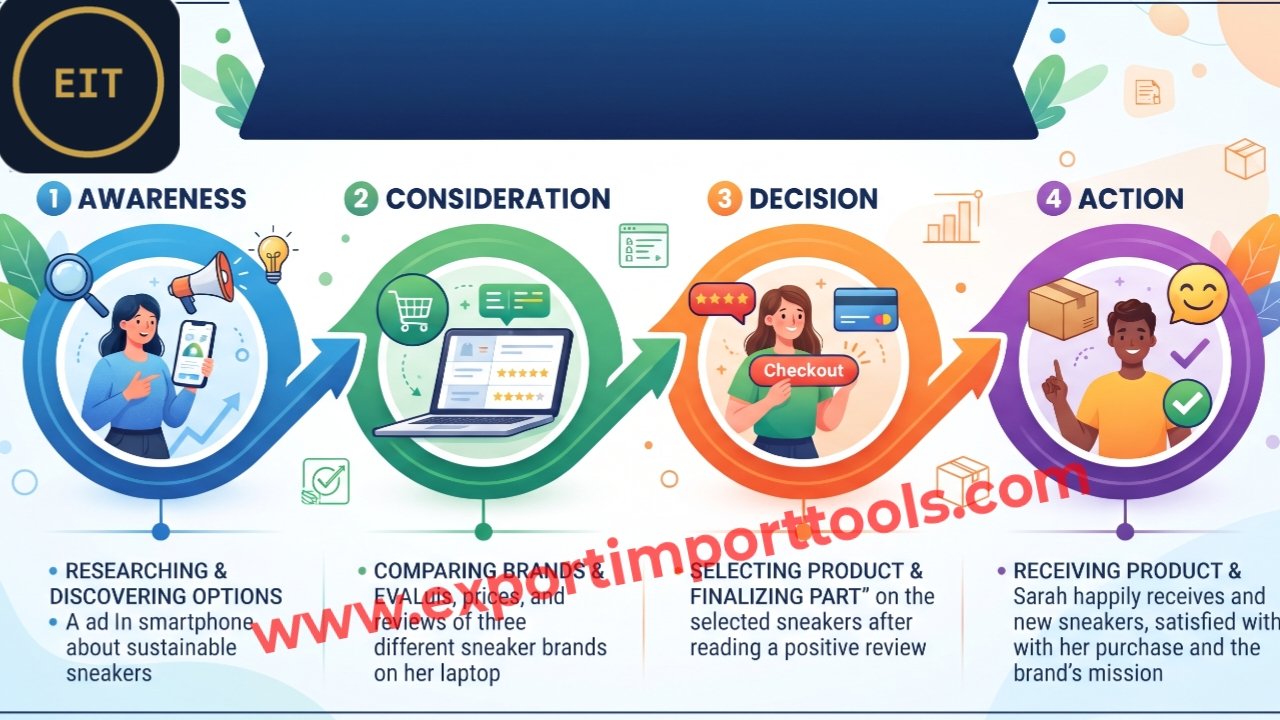
Finding genuine international buyers is one of the biggest challenges for new exporters.
Buyers can be found through B2B marketplaces, trade exhibitions, business directories, chambers of commerce, industry associations, distributors, importers and direct business outreach.
Common Buyer-Finding Methods
- International B2B platforms
- Trade exhibitions
- Industry directories
- Chambers of commerce
- Business associations
- LinkedIn outreach
- Google search and competitor research
- Distributor and importer databases
- Direct email marketing
Step 4: Understand Export Import Documentation
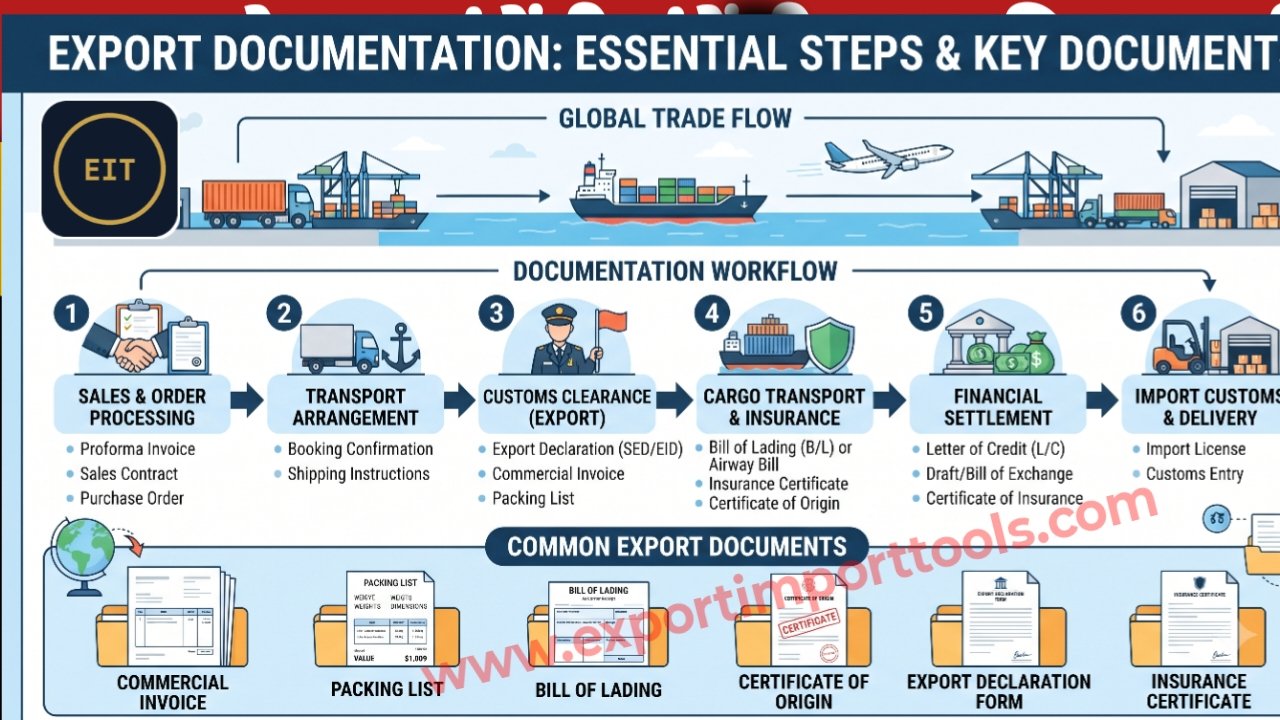
Documentation is a critical part of international trade. Incorrect information can cause shipment delays, customs problems, payment delays or additional costs.
Common International Trade Documents
- Commercial Invoice
- Packing List
- Bill of Lading
- Air Waybill
- Certificate of Origin
- Insurance Documents
- Customs Documents
- Inspection Certificates
- Product-specific certificates
The exact documentation depends on the product, origin country, destination country, shipping method and applicable regulations.
Step 5: Calculate Your Export Costing
A profitable export business requires accurate costing. Many new exporters calculate only the product price and forget additional international trade expenses.
Your Export Cost May Include:
- Product cost
- Packaging cost
- Labour and processing
- Inland transportation
- Documentation charges
- Customs-related expenses
- Freight charges
- Insurance
- Bank charges
- Agent or service charges
- Marketing expenses
- Profit margin
Your final quotation should be based on a complete understanding of the total cost and the agreed delivery terms.
Step 6: Understand International Payment Terms
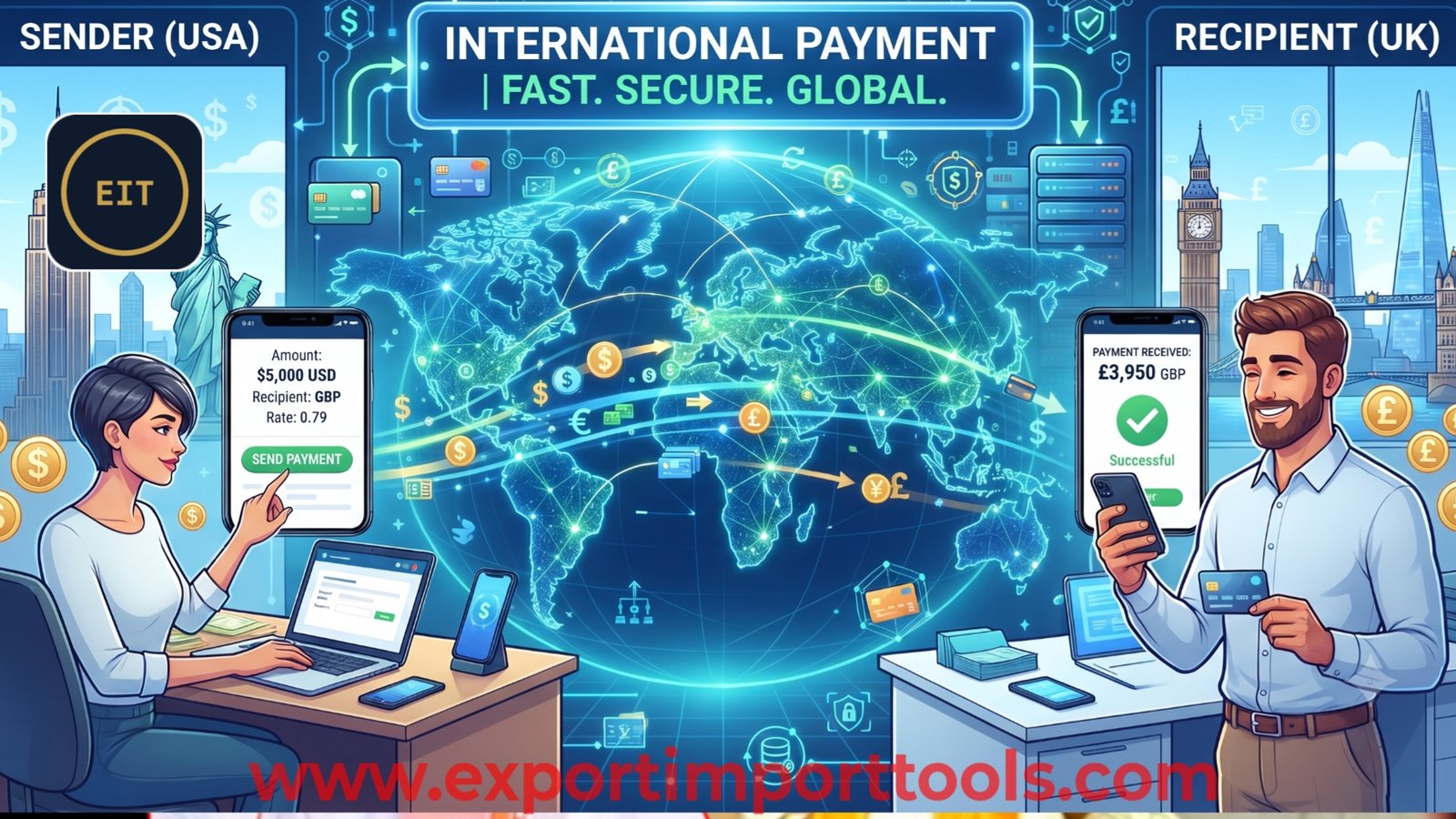
Payment risk is one of the most important risks in international trade. Before shipping goods, exporters should understand the buyer's credibility and agree on appropriate payment terms.
Common International Payment Methods
- Advance Payment
- Letter of Credit (LC)
- Documentary Collection
- Open Account
- Bank-backed payment arrangements
The appropriate payment method depends on the buyer, transaction size, country risk, product and business relationship.
Step 7: Understand Shipping and Logistics
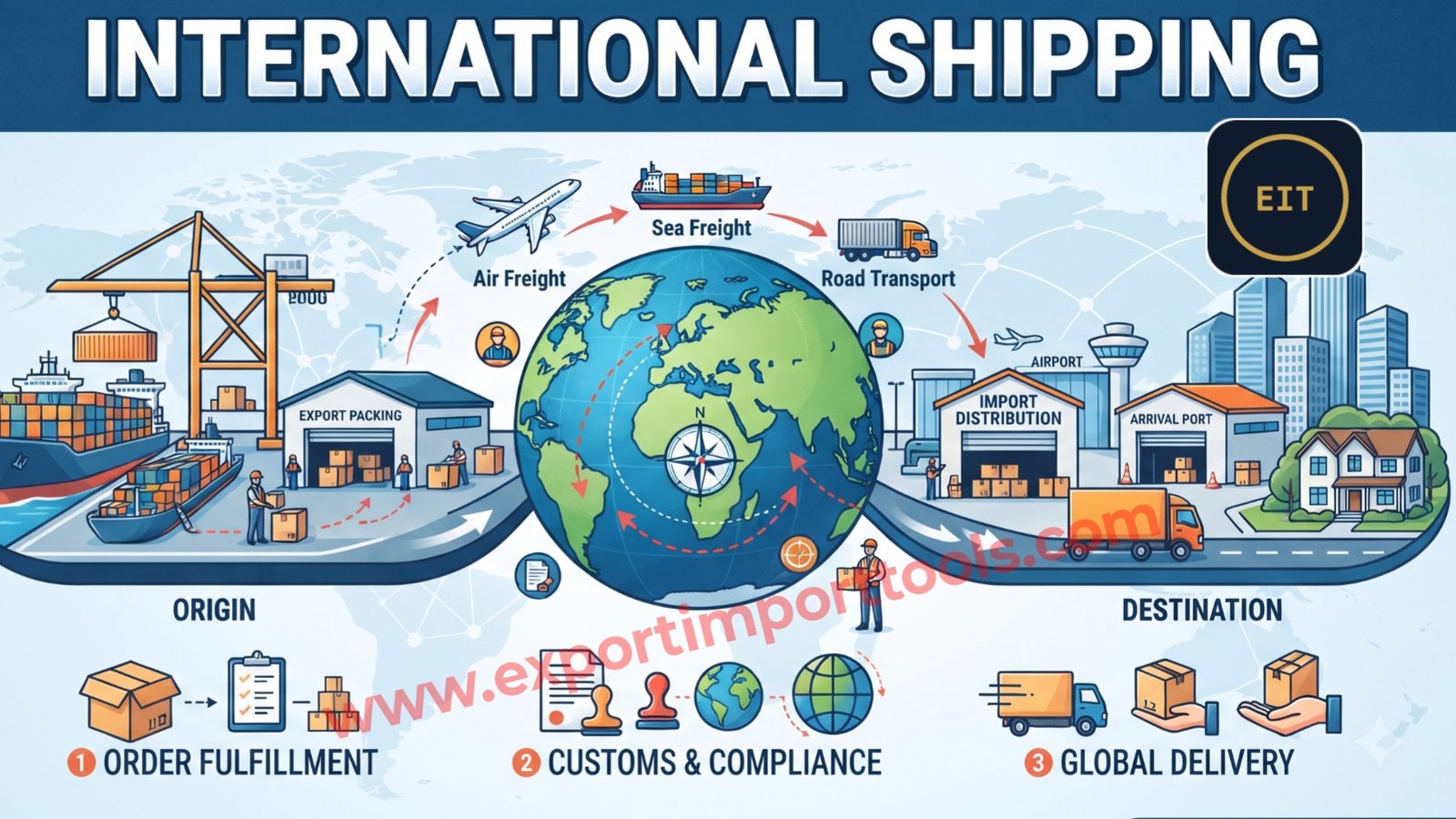
Once an international order is confirmed, the next step is planning the movement of goods from the supplier to the buyer.
Important Logistics Factors
- Sea freight or air freight
- Container type
- Packaging and cargo protection
- Port selection
- Freight forwarder
- Customs clearance
- Cargo insurance
- Transit time
- Delivery terms
Step 8: Understand Incoterms
Incoterms help define the responsibilities of buyers and sellers regarding transportation, costs, risk and delivery.
Some commonly used Incoterms include EXW, FOB, CFR, CIF, CPT, CIP, DAP and DDP.
Before sending a quotation, make sure both the buyer and seller understand which delivery term has been agreed upon.
Step 9: Verify the International Buyer
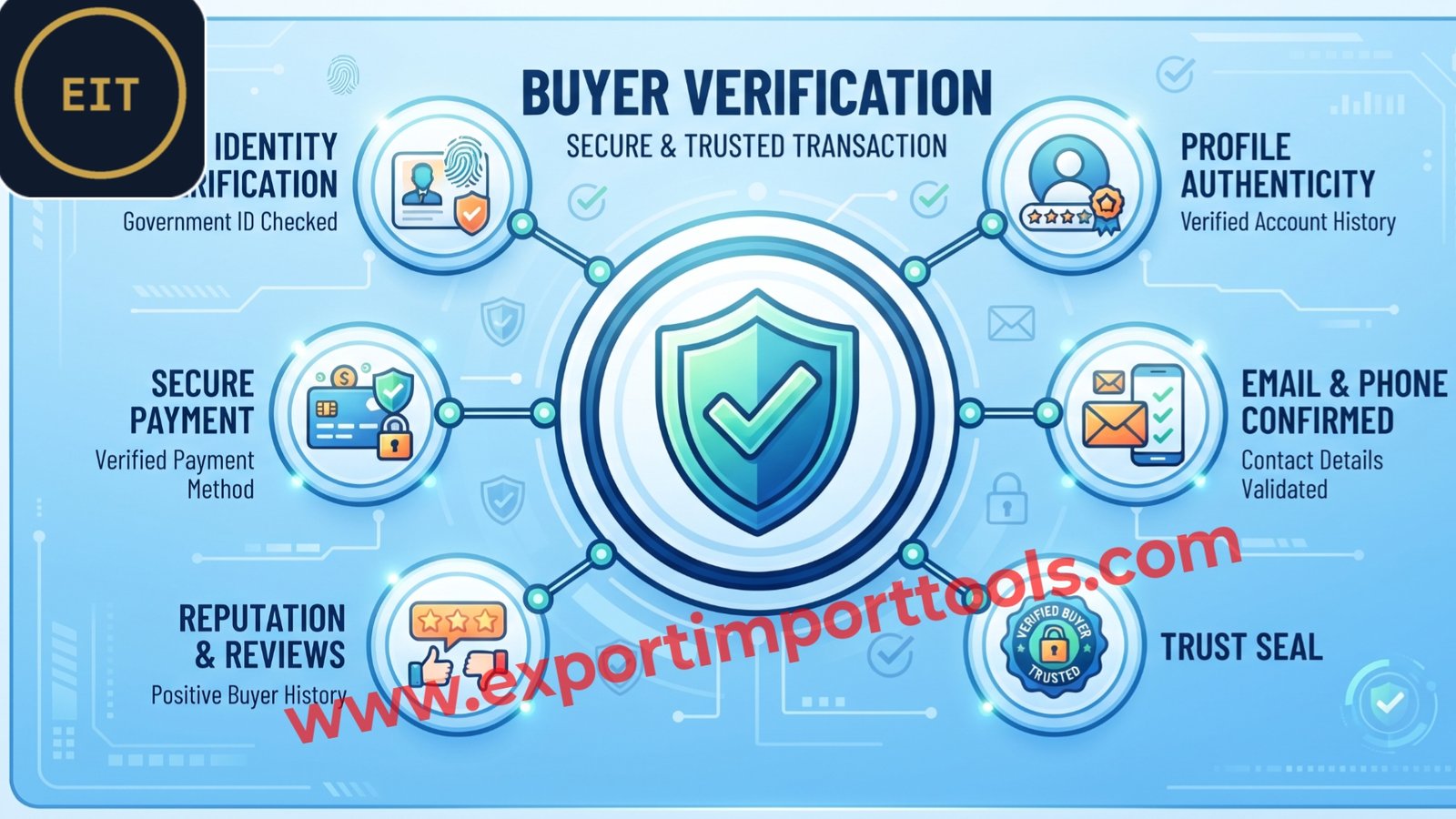
Finding a buyer is not enough. You also need to verify whether the buyer is genuine and commercially reliable.
Buyer Verification Checklist
- Verify company registration
- Check company website and business presence
- Verify business address
- Check company email domain
- Review business history
- Request appropriate trade references
- Verify payment capability
- Check the buyer's import requirements
Step 10: Start With a Small Shipment
New exporters do not always need to begin with a full container. Depending on the product and transaction, a smaller trial shipment can help test the market, buyer relationship, product quality and logistics process.
Common Export Import Business Mistakes to Avoid
- Choosing a product without market research
- Entering a market only because others are exporting there
- Ignoring total export costing
- Not verifying international buyers
- Using incorrect documentation
- Ignoring product regulations
- Offering unsuitable payment terms
- Underestimating logistics costs
- Poor product packaging
- Scaling before testing the market
How to Build a Successful Export Import Business
Building an international trading business is a process. You need the right product, the right market, the right buyer, accurate costing, proper documentation and a reliable logistics system.
Do not focus only on getting your first order. Focus on building a repeatable and profitable international trade system.
The global market offers opportunities across agriculture, food, textiles, engineering products, machinery, consumer goods, electronics, packaging, lifestyle products and many other industries.
Ready to Start Your Export Import Business?
Start by researching your product and identifying international markets where genuine demand exists. Learn the process, verify your buyers, calculate your costs correctly and build your international trade business step by step.
Research. Connect. Trade. Grow Globally.